
So, you have a story to tell, a niche to share, or a barkada that’s just too funny not to record? You’ve come to the right place. In 2026, the barrier to entry for podcasting has never been lower, but the standard for quality has never been higher.
Whether you’re in a condo in Makati or a farm in Bukidnon, this guide will walk you through the journey from “idea” to “published.”
“The best time to start a podcast was ten years ago. The second best time is today. Your voice is the only one like it in the world—it’s time we heard it.”
Phase 1: The Concept (The “Bakit?”)
Before you buy a single cable, you need to define your “Why.” With thousands of shows out there, clarity is your best friend.
- Find Your Niche: Don’t just make a “general talk show.” Be specific. Instead of “A Movie Podcast,” try “Pinoy Action Movies of the 90s.”
- Identify Your Listener: Who is your “Ideal Juan”? Are they an OFW looking for home? A Gen Z student interested in finance? Speak directly to them.
- Choose Your Format: Will it be a solo monologue, a co-hosted kwentuhan, or an interview-style show?
Phase 2: The Tech (The “Paano?”)
You don’t need to spend a fortune, but you do need “clean” audio. No one will listen to a great story if it sounds like it’s recorded underwater.
Recording Software: Use Audacity (Free) or Riverside.fm if you are recording guests remotely.
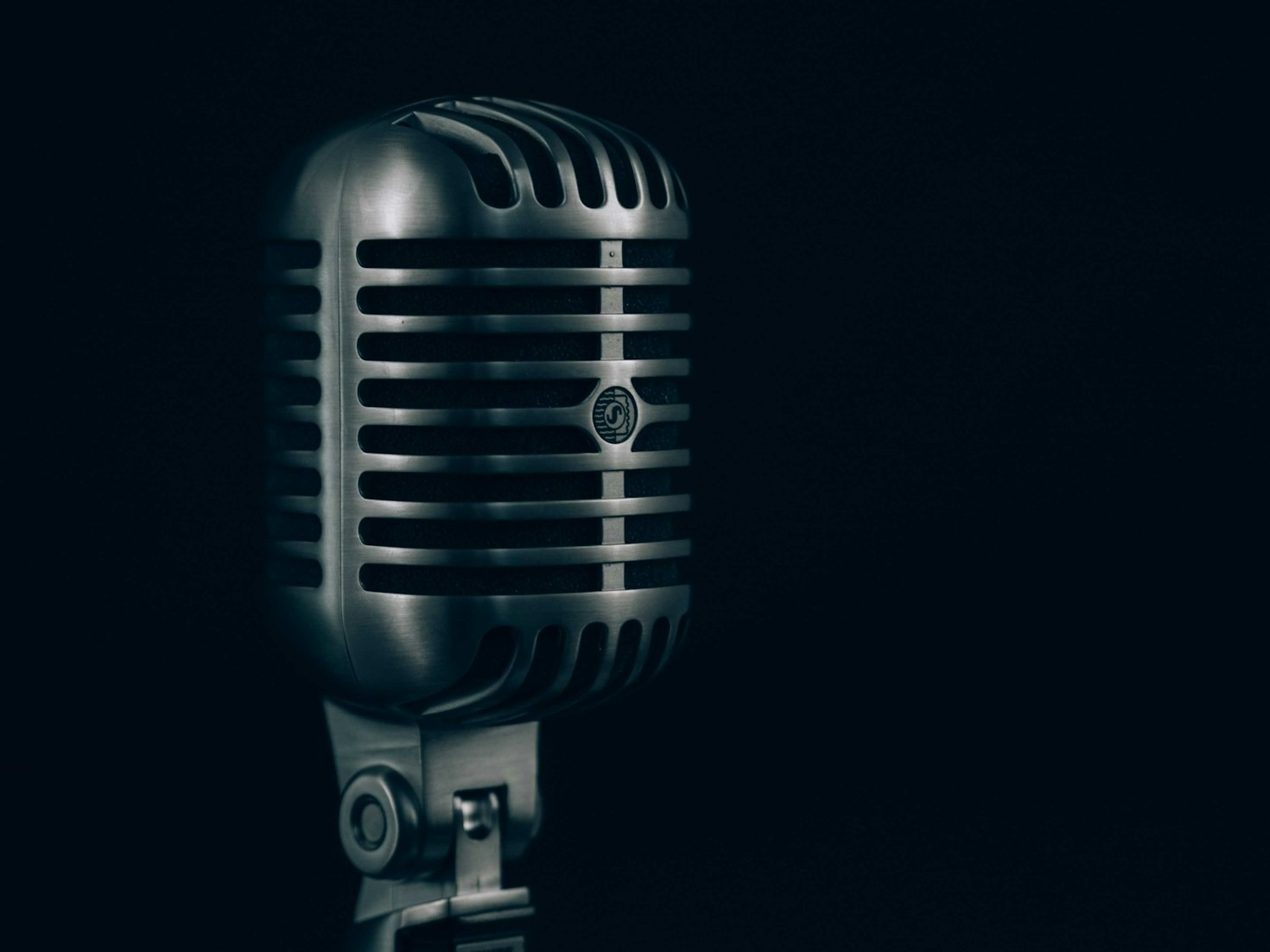
The Essentials: At a minimum, you need a Dynamic Microphone (like the Samson Q2U), a pair of wired headphones, and a laptop.
The Environment: Find a quiet space. Use pillows, rugs, or even record inside a closet to “dampen” the echo.


Phase 3: Branding & Identity
Your podcast needs to look as good as it sounds. This is how you win the “scroll” on Spotify or Apple Podcasts.
- The Name: Keep it catchy and easy to spell. Check if the social media handles are available!
- Cover Art: Use a tool like Canva. Ensure the text is readable even when it’s a tiny thumbnail on a phone screen.
- Intro/Outro Music: Use royalty-free music sites like Epidemic Sound or YouTube Audio Library to avoid copyright strikes.
Phase 4: Recording & Editing
Editing is where the magic happens. It’s not just about fixing mistakes; it’s about “pacing.”
- The “Script”: You don’t need to write every word, but have a bulleted outline so you don’t ramble.
- Edit for the Listener: Remove long “uhms,” “ahs,” and dead silence. Respect your listener’s time.
- Export Settings: Save your file as an MP3 (128kbps or 192kbps is standard for voice).
Phase 5: Distribution (Going Live!)
You don’t upload your podcast directly to Spotify. You need a Podcast Host.
- Pick a Host: Options like Spotify for Podcasters (formerly Anchor) are free and very popular in the Philippines. Other pro options include Buzzsprout or Libsyn.
- The RSS Feed: Your host will give you an “RSS Link.” You submit this link to Spotify, Apple Podcasts, and Google Podcasts once, and they will automatically update every time you release a new episode.
Phase 6: Growth & Community
In the Philippines, word-of-mouth and social media are king.
- Repurpose for Socials: Take a 30-second “funny” or “insightful” clip and turn it into a TikTok or Instagram Reel.
- Engage: Reply to comments. Ask your listeners questions. Make them feel like part of the show.
- Join Pinoy Podcast: List your show on our directory to reach a dedicated local audience looking for new Filipino voices!
Ready to Mic Up?
Starting a podcast is a marathon, not a sprint. Don’t worry about being perfect on Episode 1. The most important thing is to hit record.
Do you have a podcast idea you’re dying to start? Tell us the title in the comments, and we might feature your journey in our next “Creator Spotlight”!
Leave a Reply